


When Modern Technology Meets Timeless Craftsmanship
Sometimes the most meaningful commissions are not about creating something new, but about helping someone continue doing something they love.
Recently, an Onoto Custodian living with multiple sclerosis (MS) contacted us after asking ChatGPT for advice on how a fountain pen could be adapted to make writing easier for him.
Rather than suggesting a completely different pen, the recommendation was to build upon our Custodian’s much loved Onoto Magna with carefully considered modifications to improve comfort, grip and ease of writing.
Our workshop embraced the challenge.

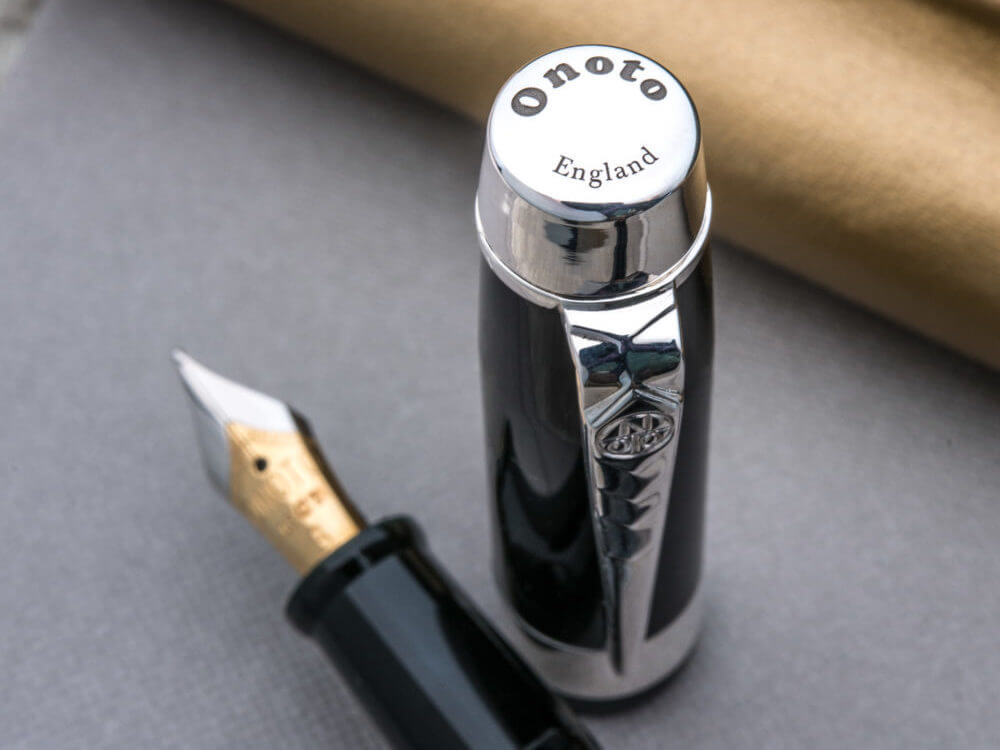
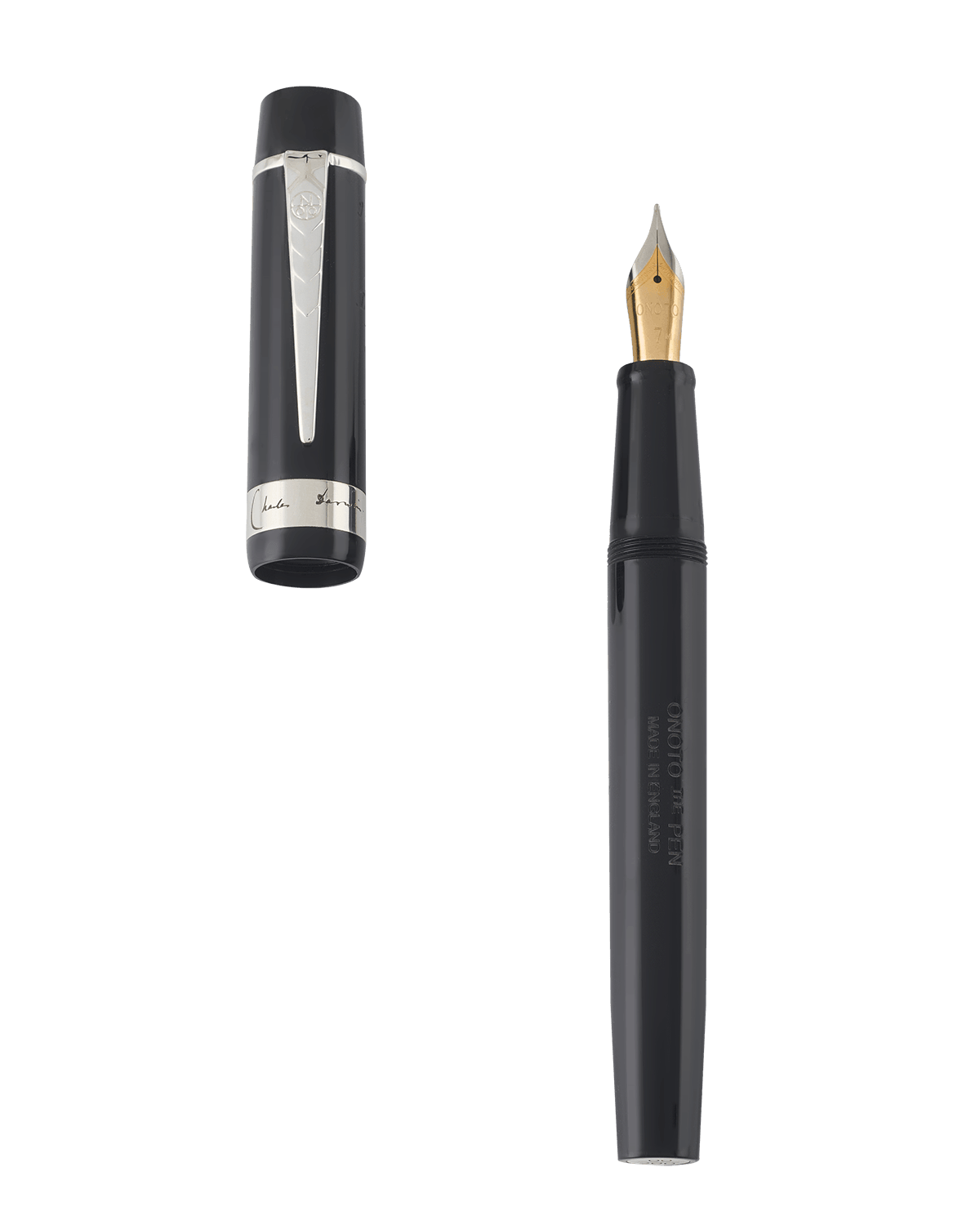
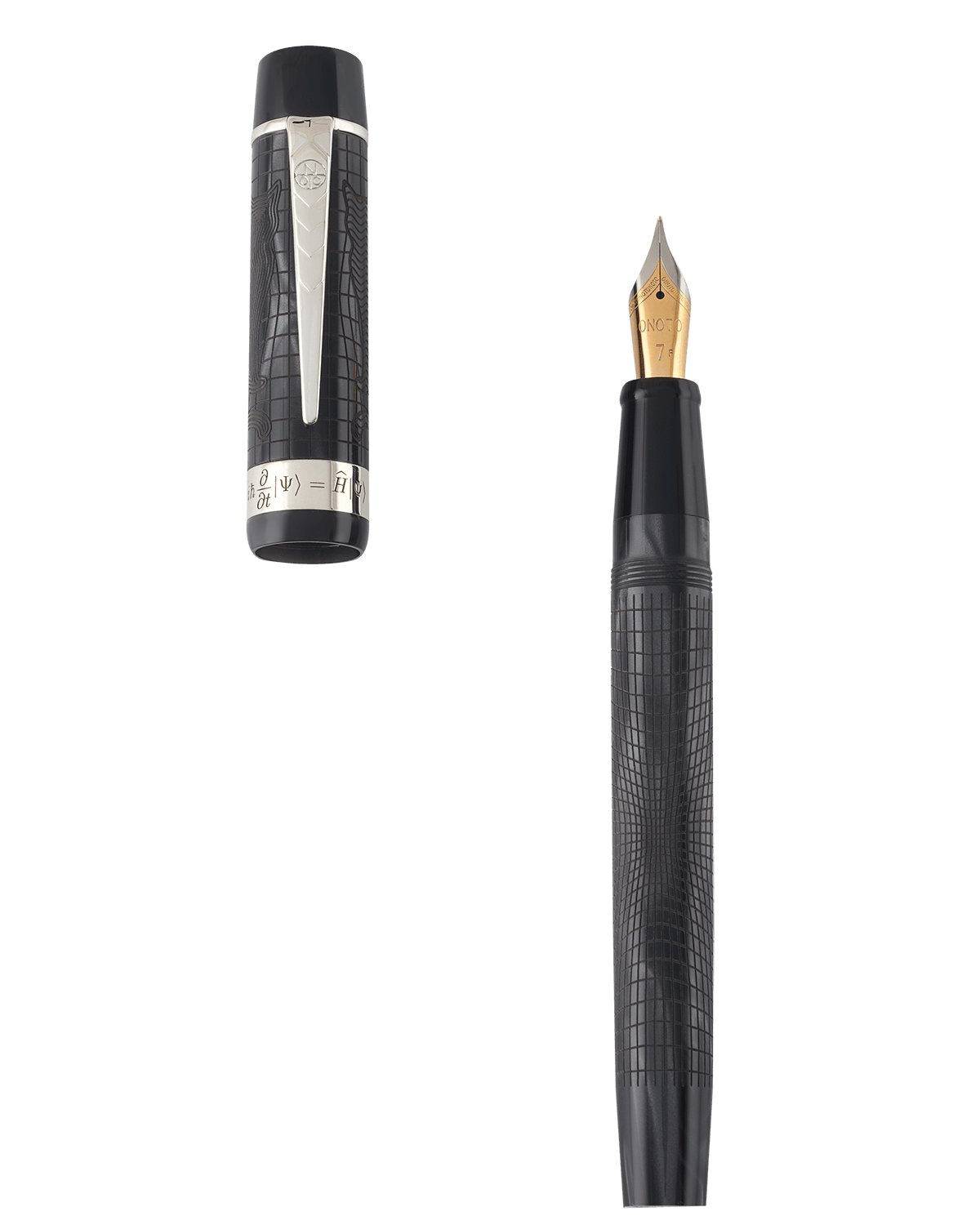
Working closely with our Custodian, we refined the design to create a bespoke Magna Ebonite with a specially adapted grip section and a finely tuned 18ct Broad nib, designed to reduce effort while preserving everything that makes an Onoto such a pleasure to write with.
The result was far more than a customised pen.
Our Custodian kindly wrote this heart warming testimonial to show how thoughtful design, traditional craftsmanship and modern technology came together to help them write again.
When A Pen Gives You Back More Than Writing (from Onoto Custodian)
There are losses that announce themselves loudly, and there are losses that arrive quietly. For me, one of the quieter losses was handwriting.
I have lived with multiple sclerosis for many years. I am now wheelchair dependent, and the condition affects me in ways that are both visible and hidden. Fatigue is a constant companion. My strength fluctuates. My fine motor control is not what it was. My dexterity changes from day to day, and sometimes from hour to hour.
On a good day, I may be able to write comfortably for a while. On a difficult day, even holding a pen at the right angle can become hard work. A smooth section can slip. A heavy pen can tire the hand quickly. A nib that needs too much pressure, or is unforgiving of slight rotation, can turn writing from a pleasure into a struggle.
That may sound a small thing, but it is not.
A fountain pen is not merely a tool for putting ink on paper. For those of us who love them, a pen carries memory, personality and ritual. It slows thought down. It makes a note, a signature or a letter feel considered. It gives writing a little dignity.I did not want to give that up.
I already used and loved an Onoto Magna, but I was finding writing increasingly difficult. I did not want something that looked medical or utilitarian. I still wanted a beautiful Onoto: traditional, dignified and special to use. The question was whether that beauty could be matched by thoughtful design that helped me keep writing despite the effects of MS. This is where something rather unexpected happened.
I asked ChatGPT to help me think through what sort of fountain pen might work for reduced dexterity, weaker grip, fluctuating hand control and fatigue. The answer was not a generic suggestion. It helped me break the problem down properly: weight, warmth of material, grip texture, section shape, nib smoothness, pressure, ink flow and tolerance of rotation.
That led to a very specific request to Onoto. I asked whether a Magna Ebonite might be adapted with a matte, gently concave grip section, no added weight, and a broad 18ct gold nib tuned to write wet, smooth and with minimal pressure.
Feng Li’s response was remarkable.
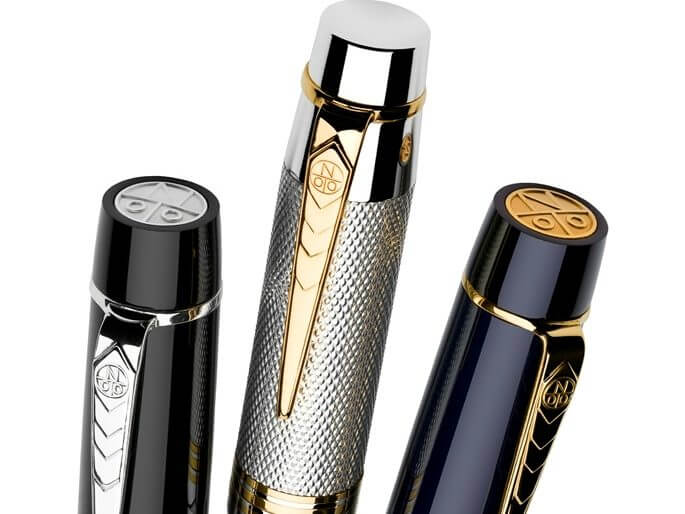
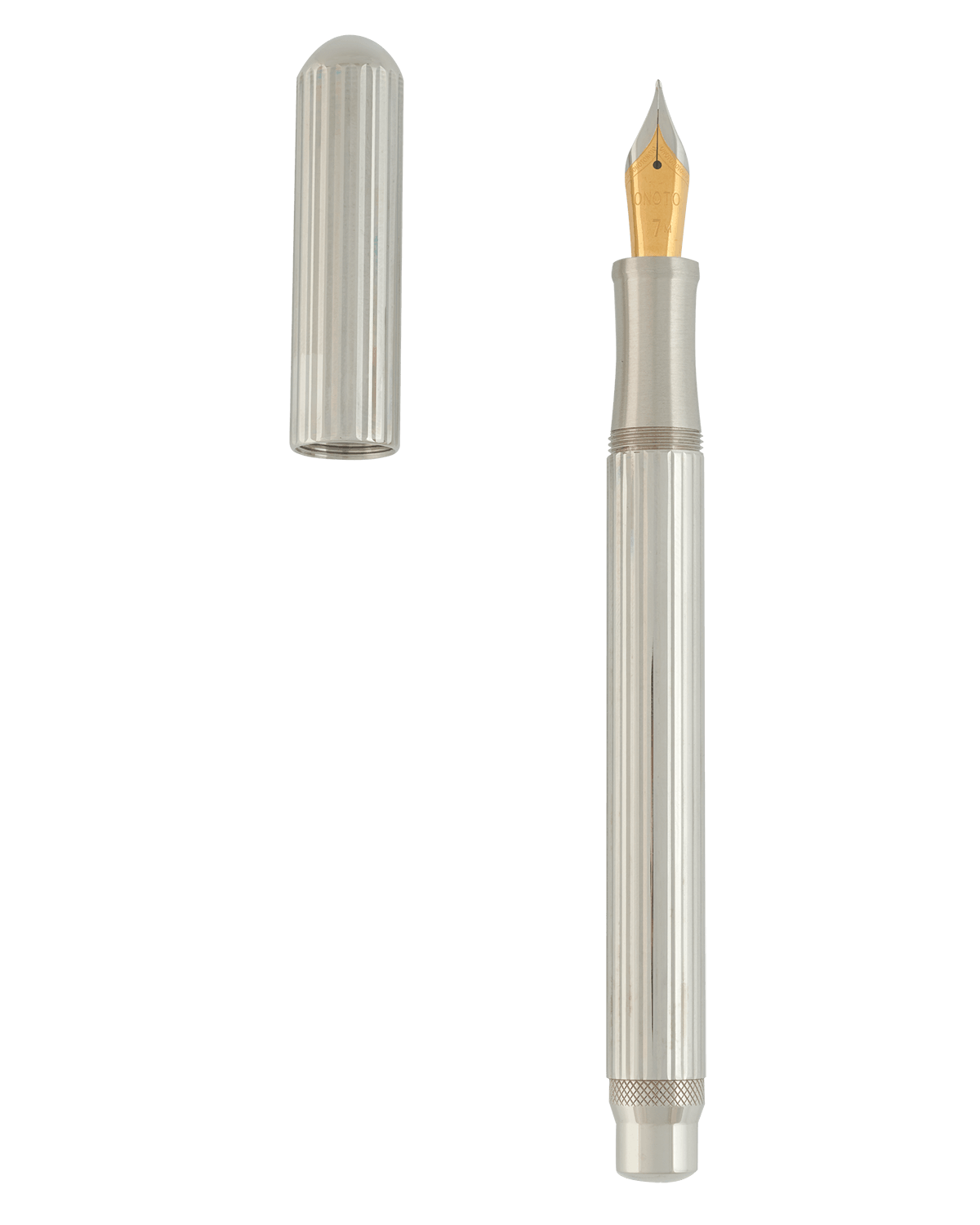
He understood the problem immediately. This was not about decoration. It was about accessibility without losing beauty. He suggested the Magna Ebonite Black and Silver as a starting point, because the diamond-etched ebonite would provide a warmer, less slippery and more tactile body than polished acrylic. He then proposed modifying the nib section itself: a slightly concave shape, with a matte finish, giving my fingers somewhere more secure to rest without forcing them into a rigid position.
That distinction mattered. Disability design can sometimes become clumsy. It can solve one problem by creating another. A grip that is too sculpted may help one hand but punish another. A heavy pen may feel substantial in a shop but become unusable after a few lines. The aim here was not to make a ‘disabled pen’. It was to make a beautiful pen easier for a disabled person to use.
The details were small, but they were everything.
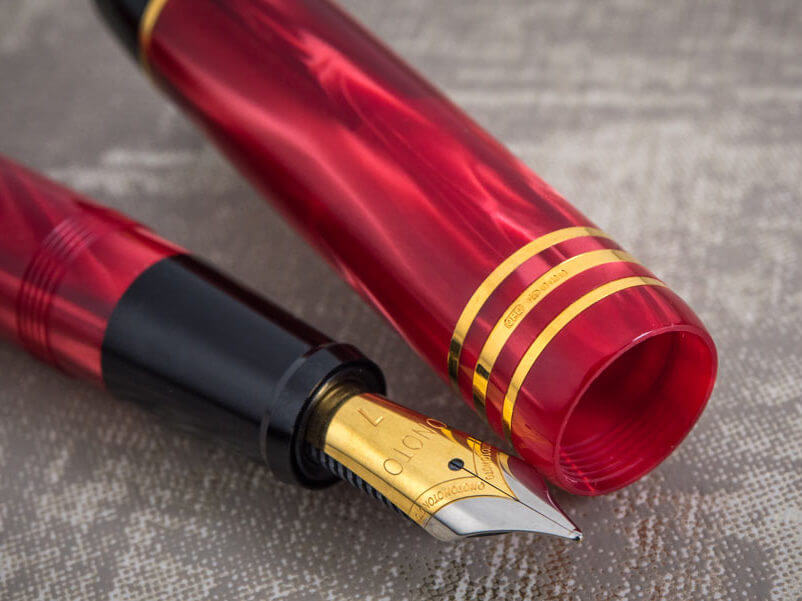
The section would remain within a comfortable range of around 11 mm to 12.5 mm. The concavity would be gentle. The finish would be matte rather than polished smooth. The pen would not have added weight. The nib would be an 18ct gold Broad No. 7, tuned and tested to be wet, rounded, smooth and forgiving of slight rotation in the hand.
In other words, the pen was not being reinvented. It was being listened into shape.
When it arrived, the difference was immediate.
I could write again with less stress and effort. My hand did not have to fight the pen. I did not need to grip as tightly. The nib moved with ease. The ebonite felt warmer and more settled in the hand. The modified section gave enough support without feeling restrictive.
I was genuinely elated.
That may sound a strong word for a pen, but anyone who has lost a little independence will understand it. When something you feared was slipping away is returned to you, even partly, it feels larger than the object itself. The pen gave me back more than handwriting. It gave me back a small act of identity.
There is a wider lesson here too.
Artificial intelligence did not make the pen. It did not replace craftsmanship, judgement or human kindness. What it did was help me describe my needs clearly enough for a skilled maker to respond. It turned a vague frustration into a practical design brief. Then Feng and Onoto did what good craftsmen do: they listened, interpreted, adapted and made something real.
That partnership between technology and craft feels important. Not because everything should now be designed by algorithm, but because good tools can help people explain needs that are otherwise hard to articulate. For disabled people, that can be powerful. We often know what is wrong, but not always how to translate discomfort into design language.
This experience did exactly that.
It also reminded me that accessibility is not only about ramps, lifts and compliance. It is about whether people can continue to take part in the small, meaningful practices that make them feel like themselves. Writing a note. Signing a letter. Choosing ink. Holding a beautiful object that was made with care.
I am grateful to Onoto, and especially to Feng Li, for treating this not as an awkward special request, but as an opportunity to help someone keep writing.
The result is still unmistakably an Onoto. It is elegant, traditional and beautifully made.
But for me, it is also something more.
It is the pen that helped me write again.
July 2026
Here at Onoto we are always happy to help with any required modifications to our pens. Please Contact Us if you would like more information.